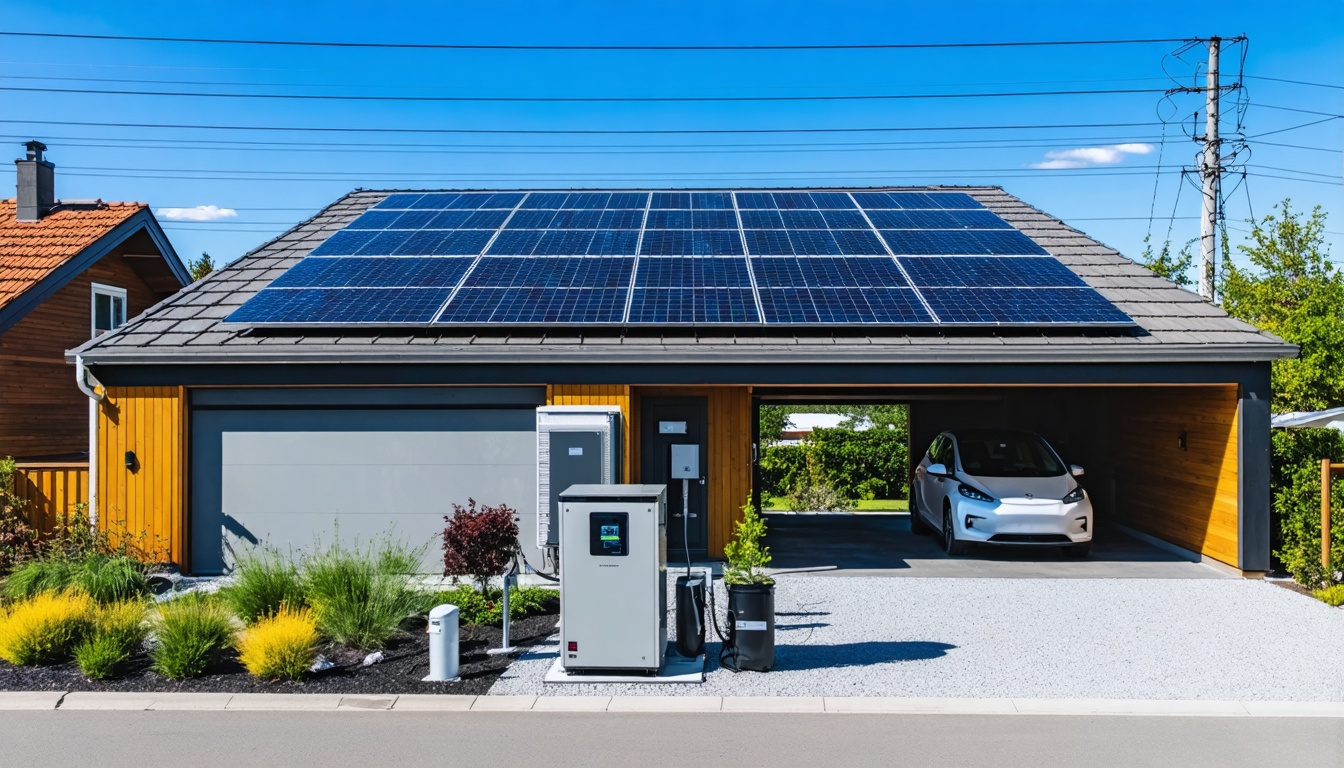
What a More Resilient Home Energy Plan Looks Like in the United States
When considering home energy, it is important to understand not just the financial implications, such as monthly bills, but also the broader context of energy resilience. A comprehensive home energy plan encompasses strategies for energy efficiency, reliability, and sustainable production of electricity. As technological advancements and regulatory changes continue to evolve, homeowners are increasingly encouraged to contribute to overall energy independence. A resilient home energy plan involves several key components. First, energy efficiency can be improved through upgrades to insulation, windows, and energy-efficient appliances, which can reduce overall consumption and long-term costs. Second, integrating renewable energy sources, such as solar panels, can provide homeowners with a degree of energy autonomy while also contributing to lower greenhouse gas emissions. Additionally, the adoption of energy storage solutions, such as batteries, allows homeowners to store excess energy generated during peak production times for use during outages or high-demand periods. This enhances the reliability of the energy supply and mitigates the impacts of power outages. Moreover, policies supporting decentralized energy generation and incentives for energy upgrades can facilitate the transition toward a more resilient home energy setup. Overall, a strategic approach to home energy management not only addresses immediate financial concerns but also contributes to a sustainable and reliable energy future.
Rethinking the Role of Households in the Energy System
Rethinking the role of households within the energy system can enhance energy resilience and efficiency. By actively participating in both energy generation and conservation, households transition from being passive consumers to significant contributors to the energy landscape. This dual role has the potential to alleviate demand peaks and improve the reliability of the energy grid.
The integration of renewable energy sources, such as Home Solar Systems, along with energy storage solutions like backup batteries, enables households to manage their energy consumption more effectively. Investment in these technologies can help stabilize household finances while also reducing the impact of energy supply disruptions.
However, it is important to acknowledge barriers that may limit access to these technologies, particularly for low-income communities or those with limited resources. Addressing these disparities through targeted technical assistance and financial incentives is crucial in enabling broader participation in energy system modernization.
Such measures can support community resilience, equipping households to better face future energy challenges.
In conclusion, recognizing households as active participants in the energy system not only enhances individual resilience but also strengthens the overall infrastructure of energy supply.
Key Strategies for Advancing Energy Security and Affordability
Addressing the energy challenges faced by the United States requires a comprehensive approach, as no single solution will adequately resolve the situation. Nevertheless, implementing a series of practical strategies can enhance energy security and affordability for a diverse range of households.
One important strategy is to expand access to renewable energy sources, such as solar power, while also advancing battery storage technology and distributed generation models. Improving these technologies and integrating household upgrades with broader grid modernization efforts can strengthen system resilience.
Another critical area is the streamlining of the permitting process for energy infrastructure development. This necessitates significant investment in infrastructure, along with providing technical assistance targeted at rural and low-income communities, electric cooperatives, and commercial buildings. Such initiatives are essential for promoting equitable access to energy resources.
Furthermore, it is crucial to realign utility priorities and refine demand response strategies. This involves planning processes that focus on identifying and implementing best practices, which can improve the resilience of households and communities against potential outages or disruptions.
Implementing these strategic upgrades can contribute to local economic growth and protect critical infrastructure, which may help alleviate financial pressures on household budgets.
By adopting these approaches, the potential for enhancing energy security and affordability across the nation can be significantly improved.
Policy Approaches That Enable Resilient Home Energy
The importance of resilient home energy systems is gaining recognition as a critical aspect of modern energy policy. To achieve meaningful advancements in this area, effective policy approaches should emphasize both affordability and accessibility.
Streamlining state-level permitting and interconnection processes is necessary to encourage investments in solar energy, battery storage, and upgrades to backup battery systems, thereby benefiting a significant number of households.
Moreover, reforms in utility rate structures, combined with enhanced financial incentives and innovations in grid modernization, can help lower electricity service costs while simultaneously encouraging the adoption of distributed generation technologies.
Utilities and state agencies play a crucial role in facilitating this transition, particularly as advancements increasingly interconnect commercial buildings with residential energy systems.
To maximize investment in gas and electric infrastructure, a collaborative strategy that involves multiple stakeholders is essential.
This approach should include offering technical assistance and revising planning processes to better integrate emerging technologies and enhance overall system resilience.
Such coordinated efforts are vital to ensure that policy initiatives effectively mitigate the complex challenges associated with energy resilience in residential settings.
Solutions for Vulnerable and Underserved Communities
Vulnerable and underserved communities often experience significant challenges related to energy disruptions, which can exacerbate existing inequalities. As such, it is important to develop targeted solutions to address the unique needs of these populations. Key initiatives may include expanding access to weatherization assistance, backup battery storage, and demand response programs. Such measures can help mitigate the impacts of energy disruptions and enhance community resilience.
Upgrading critical infrastructure and modernizing the electrical grid, particularly in rural and low-income areas, is another essential strategy. Improved infrastructure can increase the reliability of energy supply and reduce vulnerabilities to outages.
Strategic partnerships with state agencies, utilities, and local businesses are important for the successful implementation of energy solutions. These collaborations can enable the sharing of resources and expertise, leading to more efficient deployment of programs that benefit underserved communities.
Furthermore, research into best practices for distributed generation and solar energy systems can provide valuable insights for developing policies that effectively address the needs of these groups.
Financial incentives and technical assistance are also crucial in reducing the financial burden on households affected by power outages. By facilitating access to affordable solutions and ensuring connectivity during power events, these strategies can help to improve the overall stability of vulnerable communities.
A comprehensive approach that integrates these elements is necessary to promote sustainable energy access and enhance resilience in the face of energy-related challenges.
Integrating Distributed Energy Resources for Greater Resilience
As extreme weather events and vulnerabilities in the electrical grid continue to pose challenges to the reliability of electricity supply, the integration of distributed energy resources (DERs), such as solar panels and battery storage, has emerged as a significant component in enhancing energy resilience for homes and communities.
The deployment of these distributed generation and storage systems offers potential solutions for maintaining power during outages, which is critical for preserving essential services and can help reduce financial burdens on households.
In the United States, various government entities, including FEMA and multiple National Laboratories, are actively providing technical assistance and resources to support infrastructure improvements.
A particular focus of these efforts is to increase access to DERs in rural and low-income communities, where energy resilience may be more vulnerable due to a variety of socioeconomic factors.
The successful integration of DER technologies requires deliberate planning processes and the incorporation of emerging technologies.
Moreover, financial incentives could be instrumental in promoting investments in home energy systems. Such incentives may encourage more homeowners to adopt these technologies, which could lead to improved community resilience, particularly in light of ongoing challenges related to energy supply and reliability.
Conclusion
Adopting renewable energy, investing in energy storage, and integrating smart technologies can enhance the resilience and efficiency of a home. These measures are supported by a variety of policies and incentives at the federal, state, and local levels that encourage homeowners to transition to sustainable energy practices. Community engagement and ongoing education are also essential for keeping homeowners informed about changing energy landscapes and available resources. By implementing sustainable practices, homeowners can lower their energy costs while contributing to a more secure and environmentally sound energy future. Evaluating available incentives and making informed decisions based on current technologies and market conditions can lead to considerable benefits both for individual households and the broader community.